








Our licensed wildlife and pest specialists combine years of hands-on experience with rigorous training to solve even the toughest infestations.
1,000+ five-star reviews reflect our commitment to quality and trust.
We’ve helped more than 15,000 customers across Texas, Oklahoma, and South Carolina.
Free inspections, upfront pricing, extended availability, and responsive communication.
Fast scheduling and timely service when you need it most.
Family owned and operated, giving back where we live and work.
Peace of mind knowing you’re fully protected.
We start with a complimentary consultation to understand your pest concerns and evaluate your property needs.
Our specialists create a tailored plan using safe, proven methods for your home or business.
We provide ongoing support and preventative care to keep pests away for good.
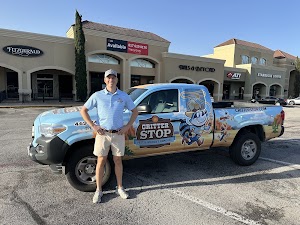










From national certifications to local chamber memberships, homeowners in Dallas, Fort Worth, Austin and Oklahoma City trust Critter Stop to do the job right.

Pest control College Station calls for a tailored approach. The area’s warm, humid climate gives pests like rodents, insects, and wildlife a long breeding season. Often, property owners notice subtle signs at first, only to discover later that pests have been nesting behind walls, above ceilings, or in attics. This guide highlights key signs of infestation, the biggest threats to your property and health, and the pests most frequently found in College Station. You’ll also find real-world cases that underscore the importance of acting quickly.
Watch for these warning signs in your home or business:
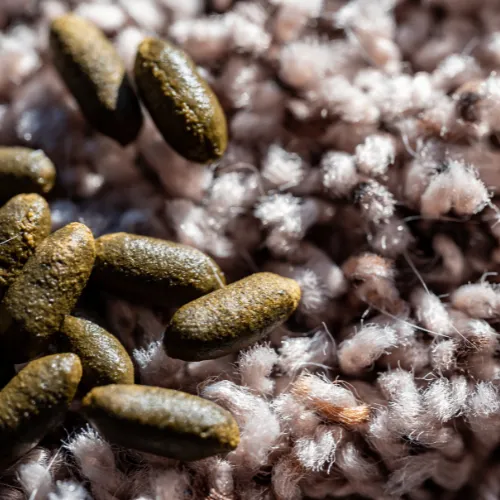
• Droppings in cabinets, closets, garages, or the attic
• Chewed wires, insulation, or damaged HVAC ducts
• Scratching or scurrying noises at night
• Musty orammonia-like smells in confined spaces
• Grease marks or rub lines along walls
• Wood that sounds hollow or shows bubbling paint, often linked to termites
Homeowners in College Station often overlook these signs, thinking everything is fine because the home looks clean. But pests usually stay hidden, and visible damage often means the problem is already severe.
A family near Southwest Parkway heard noises above their master bedroom and assumed it was a squirrel. When a technician checked the attic, he found three raccoons, a nest inside the insulation, and significant damage from the animals’ activity. The raccoons had entered by dislodging soffit screens. Thankfully, the family called early enough to avoid serious damage to their home’s wiring and air systems.
At a small restaurant near Texas Avenue, employees noticed a faint chemical smell in the storage area. It turned out to be rodent urine soaking into cardboard and drywall. The odor was a critical clue, rodents were more active than the staff realized. After a thorough pest control treatment, sealing entry points, and disinfecting, the restaurant passed inspection. This story reminds business owners that minor signs can point to much bigger issues.
Pest problems go beyond inconvenience. Rodents carry bacteria, contaminate surfaces, and chew on wiring, increasing the risk of fires. Cockroaches are known asthma triggers, especially for children. Termites destroy structural wood silently for months before showing signs. Wildlife like raccoons and opossums can spread fleas, ticks, and roundworms. Any of these infestations can lower air quality, increase repair costs, and violate health codes, especially in businesses.
For rental property managers, pests can delay leasing, raise turnover expenses, and lead to negative tenant feedback. In restaurants or retail, even one pest sighting can tarnish your reputation.
These pests are most often seen in the area:
• Rats and mice
• Squirrels and raccoons in attics
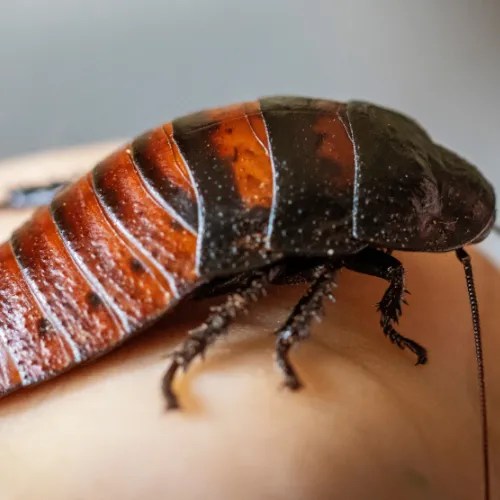
• Cockroaches, especially German roaches
• Termites, including subterranean types
• Mosquitoes in shady or damp areas
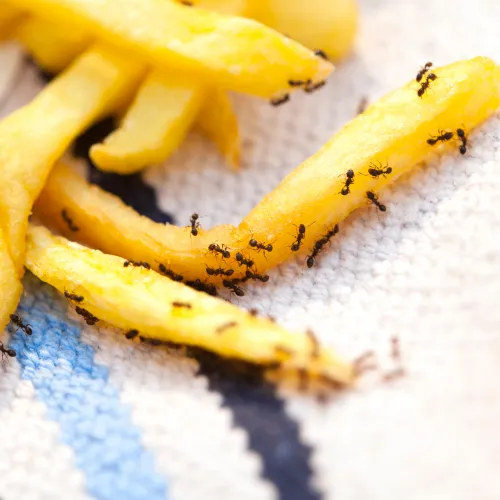
• Ants, fire ants and carpenter ants in particular
Each pest demands a specific approach. Rodents need trapping and entry-point sealing. Termites require soil treatments or bait systems. Mosquitoes call for reducing standing water and treating yards. A universal solution rarely works in this environment.
Seal exterior holes using steel wool or hardware cloth. Store food in sealed containers. Fix plumbing leaks quickly. Eliminate standing water near AC drains or low-lying parts of your yard. Trim tree branches that touch the roof. Inspect your attic every spring and fall. These small efforts help stop pest problems before they escalate.
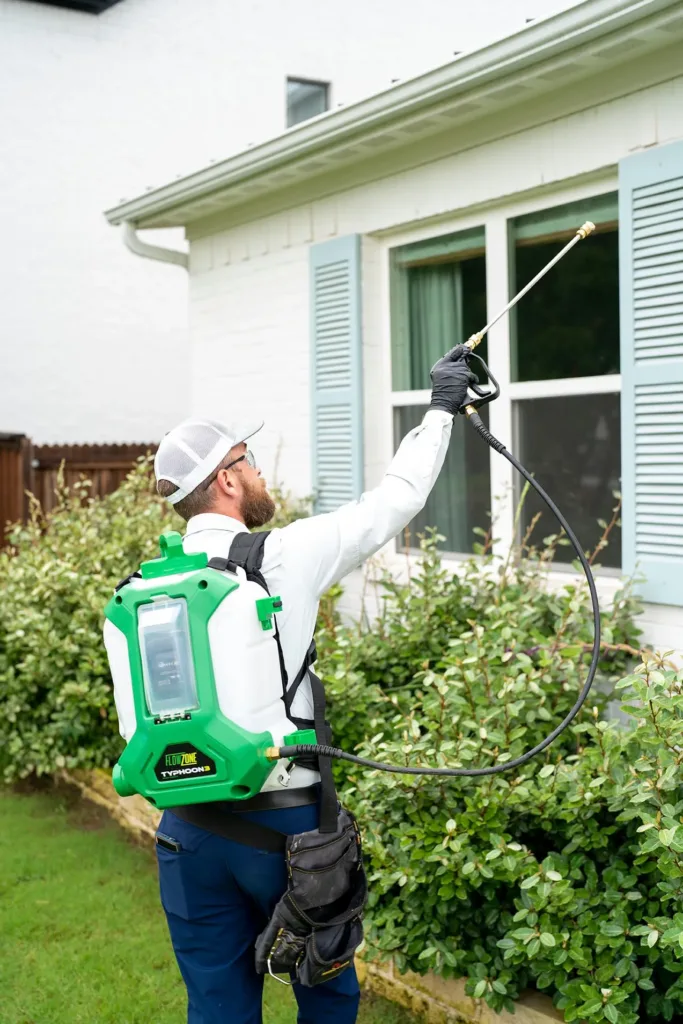
Pest control professionals like Critter Stop know how pests behave across College Station neighborhoods. They monitor seasonal trends, locate hidden access points, and use family- and pet-safe treatments. Call us at (214) 238-9502 for reliable services and also focus on pest exclusion, blocking pests from coming back. This includes sealing holes, fixing screens, installing one-way doors for wildlife, and reinforcing weak spots pests use during peak activity.