
Introduction
Distemper is a fatal canine disease that can be transmitted to dogs by sick wildlife. In recent years, the Dallas-Fort Worth Metroplex has seen outbreaks of this distemper in dogs, as well as some cases of raccoons exhibiting symptoms of the disease. In this article, we review recent cases, the symptoms and risks of canine distemper, and how to prevent contagion.
One of the main reasons why a wildlife invasion is so dangerous is the diseases that these animals might bring into your home. It may be annoying to lose sleep due to hearing raccoons in your attic or to replace insulation when they damage it, but those problems pale in comparison to the diseases wildlife may carry.
We’re not just talking about humans; your pets are under as much threat as you are, and sometimes even more than you. One of these cases is canine distemper, a viral, often fatal disease that affects dogs. It is essential that you vaccinate your dog against distemper and parvovirus. If your dog isn’t vaccinated, you should monitor it for early signs of canine distemper. Or better yet, prevent contagion by keeping your dog away from local wildlife. Unlike dogs, humans can’t catch this disease.
Canine Distemper: The Specifics

Canine distemper should not be taken lightly. According to a PetMD article, “canine distemper is a highly contagious, often fatal viral disease that affects the respiratory, gastrointestinal (GI), nervous system, and other organs of dogs.” It spreads through direct contact, such as sneezing or coughing, and unvaccinated or incompletely vaccinated dogs and puppies are at the highest risk. The disease also affects more animals than dogs; species that can also become sick and transmit the virus to dogs include raccoons, foxes, wolves, skunks, coyotes, and other carnivores. PetMD warns that “if left untreated, distemper in dogs is often fatal, especially in puppies.”
Some symptoms to watch for with distemper include yellow or green eye discharge, nasal discharge, coughing, sneezing, depression, vomiting, decreased appetite, and diarrhea; however, some dogs may show only some or none of these symptoms. Symptoms of a more advanced case of distemper include tremors, chewing motions of the jaw, seizures, partial or complete paralysis, pneumonia, crusting of the nose and foot pads, and severe vomiting and diarrhea.
Even if the disease is successfully treated and a dog survives distemper, it “may develop lifelong, debilitating effects from the disease” such as chronic seizures, muscle twitches, and neurologic symptoms.
Raccoons: A Possible Source of Contagion in DFW
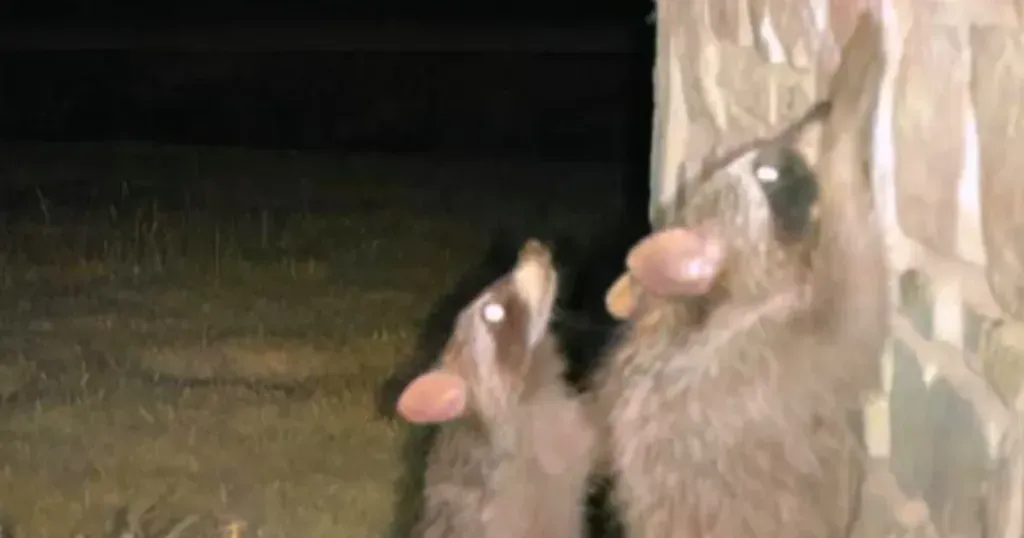
In February 2024, an NBC DFW article reported that Carrollton saw a spike in reported sick and diseased raccoons. Carrollton Animal Services (CAS) identified these as possible cases of canine distemper in raccoons and urged Carrolltonians to be cautious about their pets and to “avoid any contact with the raccoons”. CAS also informed that most of the sightings took place in the “north and west parts of the city”. Advice from CAS included ensuring that garbage bags and cans were closed, removing pet food and bowls from outdoor spaces, and avoiding contact with wildlife.
That same month, a Culture Map Dallas article wrote of an “increase in distemper”, citing both Carrollton Animal Services and The North Texas Wildlife Center and adding that the reports were coming “from across North Texas”. The article also goes over the symptoms of distemper in raccoons, such as “being active in daylight hours and acting friendly and passive”, being seen “curled up quietly in residential areas”, as well as tending to “be weak, lethargic, and appear to have lost fear of humans”. As for tips, the article also recommends keeping pets on a tight leash and avoiding community food and water bowls that may be contaminated. Finally, the article advises calling animal services if you see any animals that appear ill or disoriented.
Raccoons are known for making themselves at home in urban and suburban areas, even finding their way into homes through gaps in roofs and walls. These diseased raccoons likely interacted with stray, unvaccinated dogs, which easily puts many dogs, both stray and homed, at risk.
Recent Outbreaks in DFW Shelters
In 2025, the issue of distemper virus has persisted. A Culture Map Dallas article from August reported that Dallas Animal Services had several dogs test positive for the virus: “a month into the Distemper outbreak, the shelter remains closed to all but sick, injured, and dangerous dogs and cats.” A Dallas Morning News article covered the same situation, noting that the shelter is working with subject-matter experts. A Hoodline article reported that the shelter reopened in late October after the Distemper outbreak was contained.
Furthermore, an NBC DFW article from March 2025 reported on an almost identical situation at the Fort Worth Animal Care & Control Department. The department’s two shelters reported several dogs testing positive for the virus, prompting measures that included euthanizing the animals, temporarily closing the shelters to the public, suspending intakes, implementing a meticulous vaccination schedule for vulnerable animals, and maintaining constant monitoring of all animals.
An article by the Fort Worth Report delves further into this last case. The closed shelters tested “hundreds of dogs” and transported the tests to a specialized testing center in College Station. The article also cites nonprofit animal shelter Operation Kindness CEO Ed Jamison and argues that it’s unlikely that the Distemper outbreak could be prevented due to the shelters being at capacity: “the more dogs they take in, the higher the chances are that one of them is carrying a disease.” Jamison advised that, for this emergency, the shelter should move healthy dogs into temporary homes with fosters and that “keeping dogs clear of risk while managing capacity will be key to controlling the outbreak”.
In a follow-up article from April 2025, the Fort Worth Report informed of the reopening of one of the two closed shelters, The Chuck & Brenda Silcox Animal Care & Adoption Center. The article cites Brian Daugherty, director of the city’s code compliance, and says that “shelter staff have administered nearly 1,500 tests for the virus and 74 canines, plus one raccoon, tested positive.” Daugherty also highlighted “his staff’s swift response and work to contain the outbreak.” A Mid City Times article informed that the remaining shelter, North Animal Care and Adoption Campus, began a phased reopening a few weeks later.
Conclusion
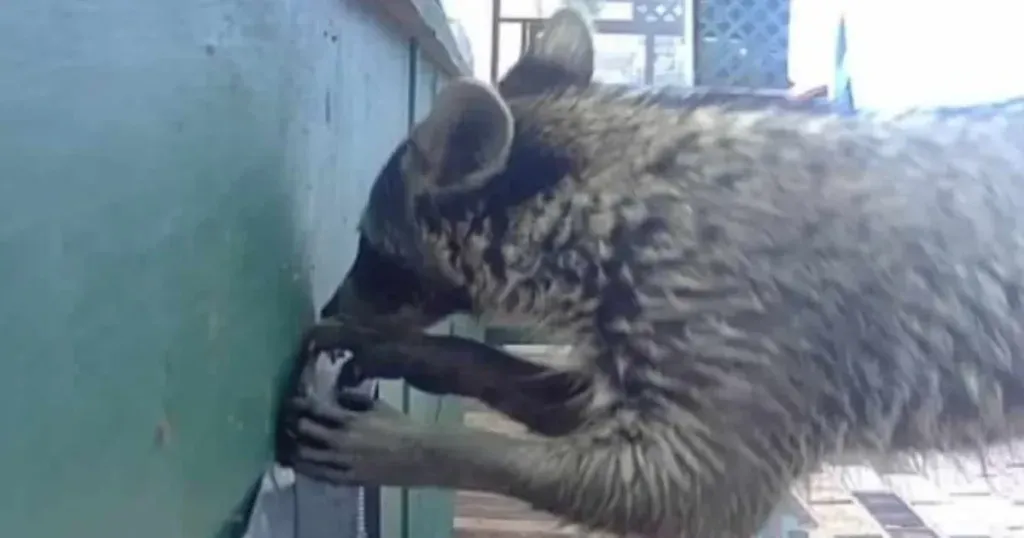
To prevent distemper, it is crucial to vaccinate your dogs, keep a close eye on them during walks, and protect your home from wildlife. Minimizing contact with potentially infected wildlife, such as raccoons and skunks, and with other dogs, especially stray dogs, is key to avoiding disease transmission that could be fatal for your dog or, if it survives, permanently harm its health.
Raccoons are a prime source of Distemper contagion, as their common presence in urban and suburban areas make contact with dogs a usual one. Raccoons and dogs can come into closer, more usual contact in the cold season, a time where raccoons invade houses in an attempt to make DFW attics their wintertime shelter. It’s very important to to check roofs and walls for gaps that can provide them with a way into your property and other signs of wildlife activity. At Critter Stop, we have serviced hundreds of cases of raccoon invasions, and we’re ready to help you make your home critter-free!
Visit our Critter Library and learn more about our furry friends