How I Learned to Tell Raccoon Poop vs Possum Poop (Yes, That’s a Thing)
Visit our Critter Library and learn more about our furry friends
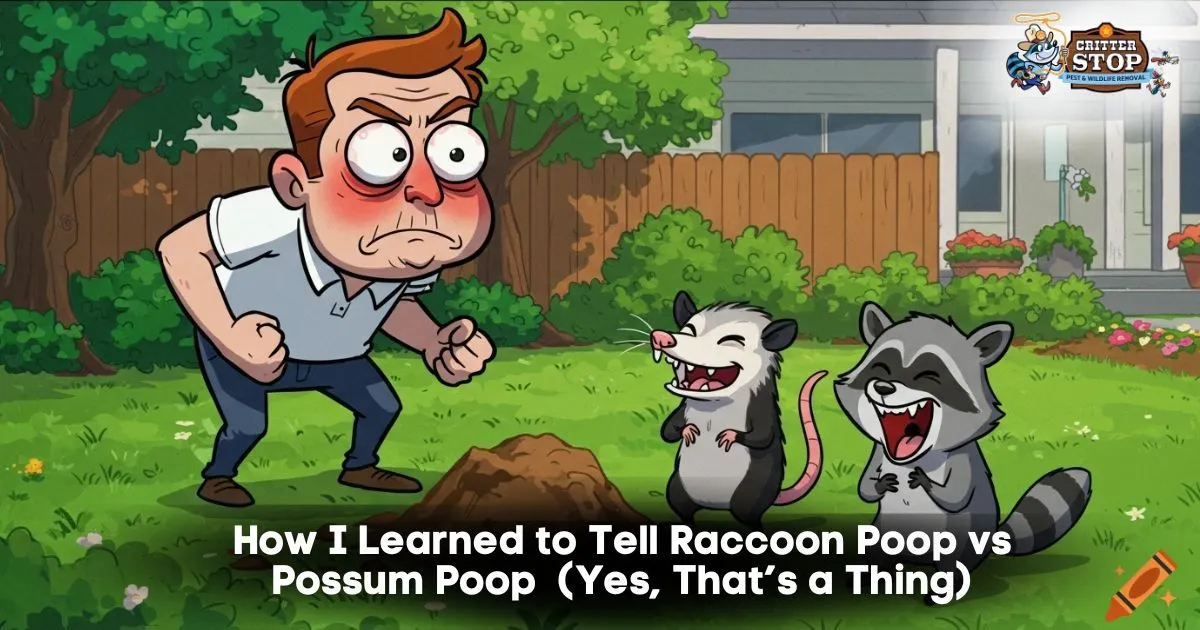
It started with a few strange droppings near the trash bins. Not dog. Not cat. Something else. I assumed raccoon, because we’ve had our share of masked burglars rustling around. But then someone said it might be opossum. Which, I’ll admit, sent me down a weird and surprisingly interesting rabbit hole, because raccoon poop vs possum poop is not just a topic… it’s a whole thing.
This post is part of our mission to empower homeowners with the same level of knowledge our professionals use every day. Let me save you the Googling and give it to you straight.
What Raccoon Poop Looks Like
Raccoon Poop vs. Possum Poop: How to Tell the Difference
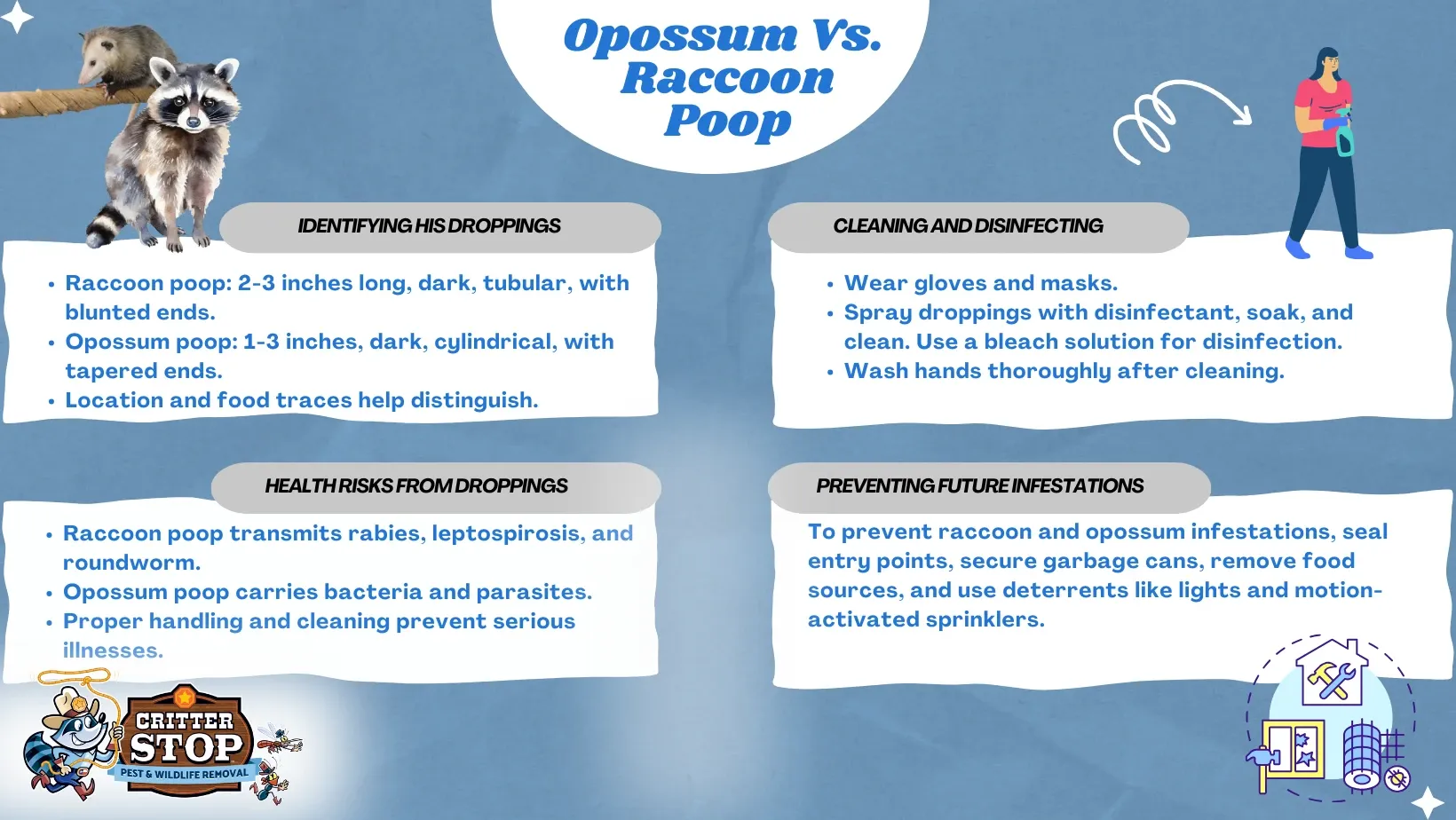
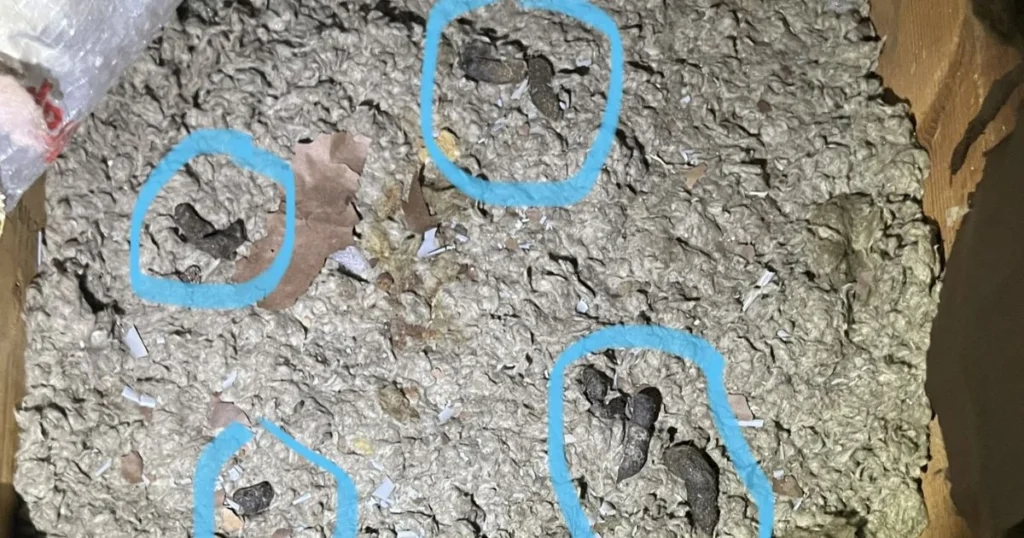
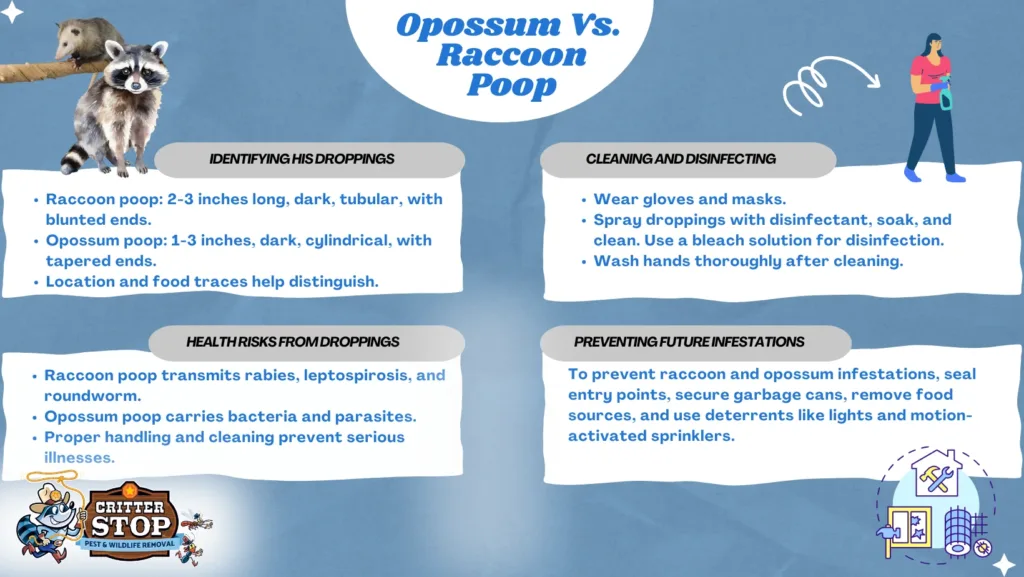
Raccoon droppings are bigger than you might expect. Think: about the size of a cigar. Roughly 2 to 3 inches long, kind of chunky, and blunt at the ends. If you poke around (not that I recommend it), you’ll often see undigested bits, seeds, berries, maybe insect shells. These guys have a buffet-style diet and it shows.
Also, raccoons don’t go just anywhere. They pick a “latrine”, a favorite spot, and return to it regularly. So if you’re finding several droppings in the same place, especially near a tree base, your deck, or the roof, that’s a big raccoon clue.
What Opossum Poop Looks Like
Opossum droppings are a little more mysterious. They look similar at first glance, dark brown to black, tubular, but they’re usually thinner and have tapered ends. They also tend to glisten a bit when fresh, thanks to the moisture. Kind of gross, I know.
But here’s the kicker: opossums don’t use latrines. Their poop shows up in random spots, near fruit trees, compost bins, under the fence line. It’s like a breadcrumb trail of chaos.
If raccoon poop is orderly and purposeful, opossum poop is… not.
Why You Should Care (Seriously)
You might be thinking: “Okay, poop is poop. Why does this even matter?”
Here’s why. Raccoon feces can carry Baylisascaris procyonis, a parasite that, if ingested, can mess you up, big time. We’re talking neurological damage. Coma. Even death in extreme cases. Opossum poop can carry its own mix of bacteria and parasites, too, but raccoons are the bigger threat.
So if you’re dealing with either of these, you’re not just dealing with a mess, you’re dealing with a health hazard.
How to Clean It Up (Without Losing Your Mind)
How I Learned to Tell Raccoon Poop vs Possum Poop (Yes, That’s a Thing)
The strategies we recommend are not theoretical; they are proven in real-world scenarios by our certified specialists. We've cleaned up both. It’s not glamorous, but it’s doable, if you do it right:
- Don’t touch it barehanded. Gloves, mask, ideally eye protection.
- Spray first. Use a bleach solution or disinfectant. Let it soak for 5–10 minutes. This kills any lingering pathogens before you disturb it.
- Scoop and seal. Paper towels or a plastic scoop, then double-bag it.
- Disinfect the area. Again, bleach or disinfectant. No shortcuts.
- Wash everything. Your hands, your gear, your soul.
And whatever you do: don’t sweep it dry or vacuum. That spreads airborne contaminants, especially if you’re dealing with raccoon roundworm eggs.
How to Keep Them From Coming Back
Here’s the not-so-secret truth: both raccoons and opossums are opportunists. If your yard has food, shelter, or water, they’ll make themselves at home.
Here’s a comprehensive checklist to print and tick off:
- Seal your trash like Fort Knox. Raccoons are like tiny burglars with opposable thumbs.
- Close off crawl spaces. Use wire mesh, and make sure vents and eaves are covered.
- Clean up fruit drops and compost scraps.
- Use motion lights or sprinklers. Especially if you’ve seen repeat visitors.
- Don’t leave pet food outside overnight. You're feeding more than your pets.
When to Call in Backup
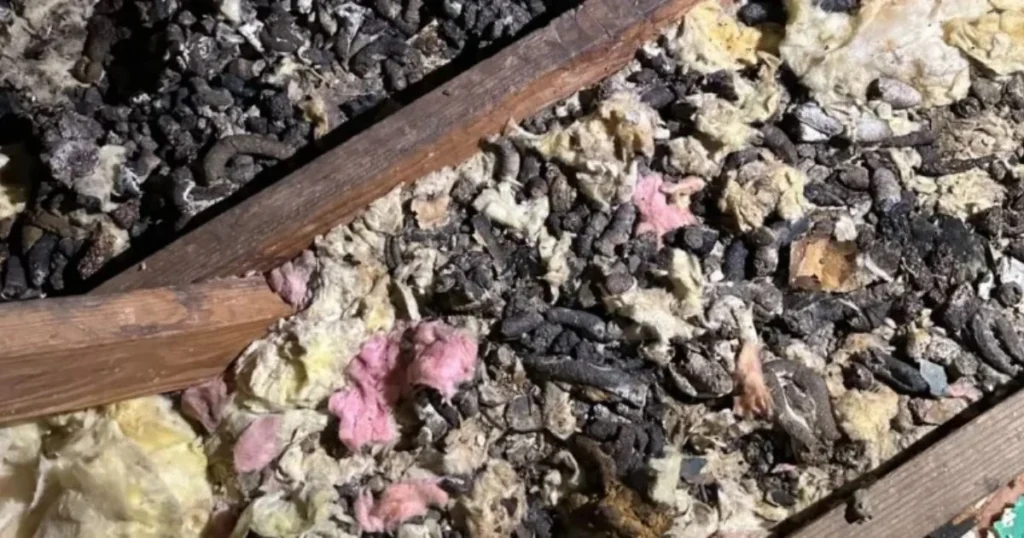
If you’re seeing repeat droppings, hearing scratching at night, or worse, smelling something funky from the attic, it’s probably time to call in the pros.
Since 2018, we've developed a nuanced understanding of local pest behavior. Critter Stop, doesn't just trap animals, we figure out how they got in, clean up the mess, and make sure it doesn’t happen again. Humane, fast, and no upselling nonsense.
Dial (469) 715-3638, We'll do a free inspection, which honestly saved me a headache and probably a tetanus shot.
Quick Reference: Poop At A Glance
| Animal | Size | Shape | Tip Look | Location Habits |
| Raccoon | 2–3 inches | Thick, tubular | Blunt ends | Always in the same place |
| Opossum | 1–3 inches | Thinner tube | Tapered ends | Scattered randomly |
FAQs (Because Yes, You’re Not Alone)
How do I really know if it’s raccoon or opossum poop?
Blunt vs. tapered ends. Latrine site vs. random drop zones. And raccoon poop usually has more visible undigested stuff.
Can I just hose it away?
Please don’t. You’ll aerosolize whatever nasty bacteria or parasites are in it. Always disinfect and remove properly.
Why is this even in my yard?
Food, water, shelter. It’s not personal. You’ve just got prime real estate.
Should I be worried about my dog?
Yes. Dogs love sniffing and sometimes eating mystery poop. It’s a fast way to get sick, especially with raccoon droppings.
Is it true raccoons use the same bathroom spot?
100%. It’s gross, but kind of impressive. They’re oddly hygienic in that way.
If you’re finding opossum raccoon poop in your yard, you’re not alone, and you’re not helpless. Recognize it. Respect it. Clean it like a pro. And if things get out of hand, don’t hesitate to bring in someone who does this for a living.
Need help? Call Critter Stop at (469) 715-3638.